Internal linking is one of the most underutilized yet powerful SEO strategies available to website owners.



Internal linking is one of the most underutilized yet powerful SEO strategies available to website owners.

Internal linking strategies often remain theoretical, with marketers wondering about their real-world impact.
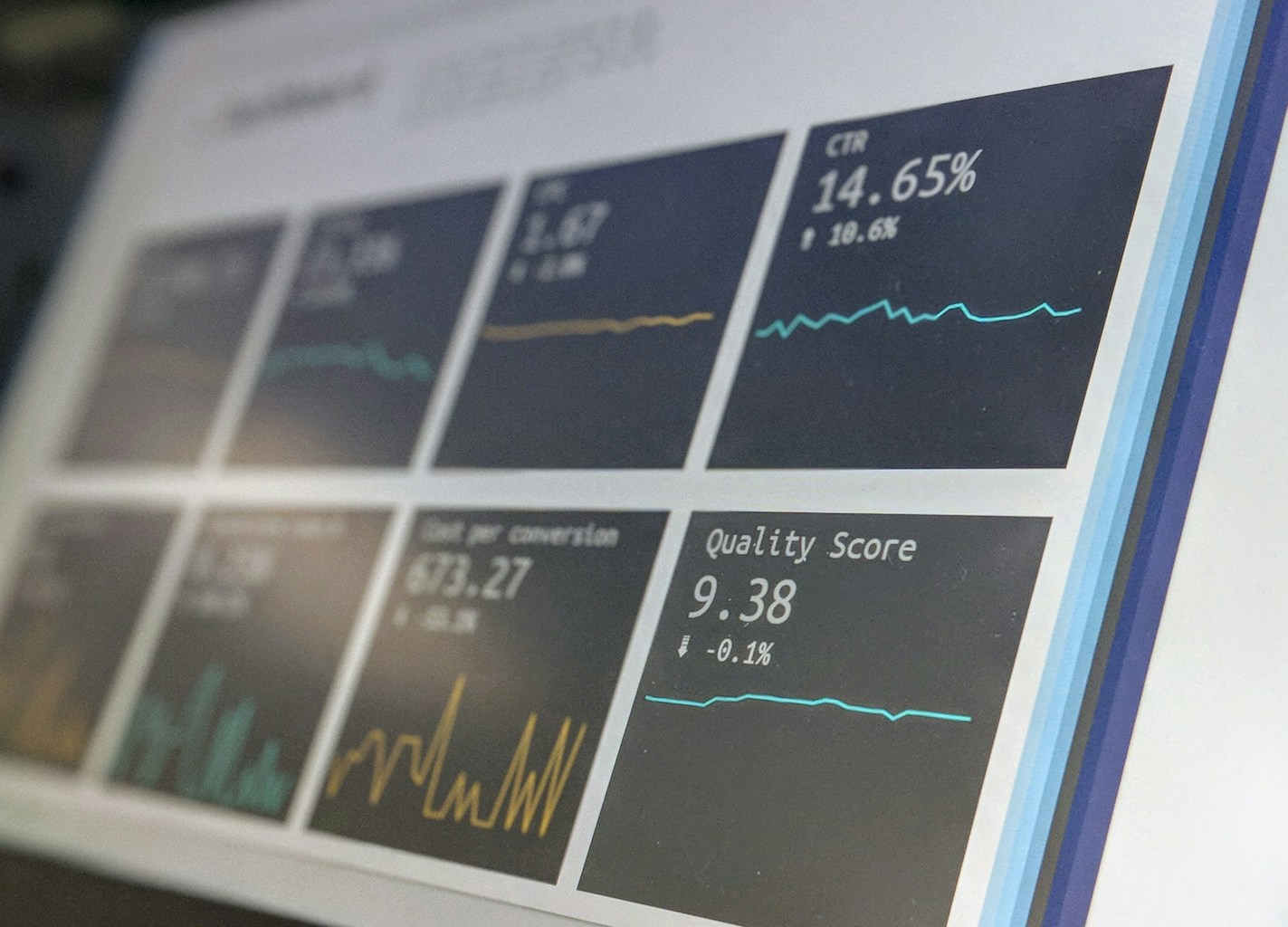
In the quest for SEO dominance and improved user experience, website owners often overlook a critical element: measuring and analyzing their internal linking performance.

In the evolving landscape of SEO and content strategy, contextual linking has emerged as a powerful technique for improving user experience, establishing topical authority, and boosting search rankings.

Internal linking remains one of the most powerful yet underutilized SEO strategies available to website owners.

Internal linking is a fundamental aspect of website architecture that impacts both user experience and SEO performance.

Internal linking remains one of the most powerful tools in your SEO arsenal, yet its best practices continue to evolve as search engines grow more sophisticated.

Creating an organized, intuitive website structure through internal linking doesn’t just happen by chance.

In the world of SEO, internal linking is often overlooked in favor of more visible strategies like keyword optimization and backlink building.